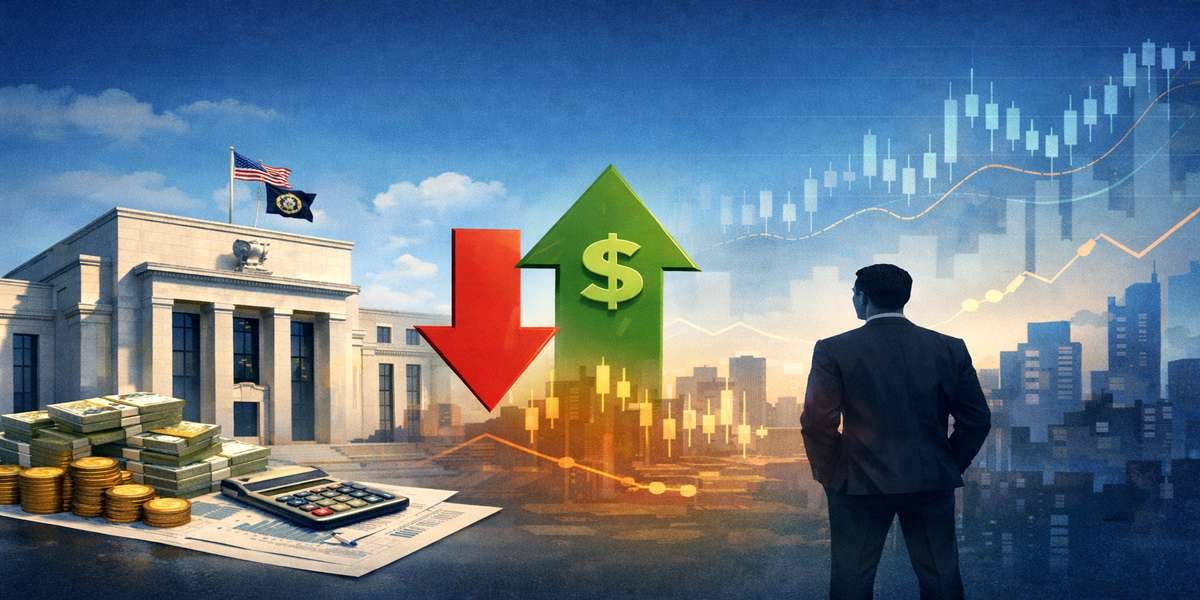
Forget the old playbook. Cash management isn’t just about picking a high-yield savings account. If you do think otherwise, you’re in for a rough wake-up call this year. Look at where we are right now. A huge shift just happened. On January 30, 2026, President Trump officially tapped Kevin Warsh to take over Jerome Powell’s seat as the Federal Reserve Chair. This isn’t just a name change on a door. It’s a total shift in how the world’s most powerful central bank will move.
With rates currently held at 3.5% to 3.75% and a divided board of governors, the stakes are sky-high. We’re going to walk through the Warsh nomination, the weird labor data, and how to protect your company’s liquidity before the May transition.
Why This Fed Transition Is a Total Wildcard
Look, most Fed handoffs are a total snooze. But this one? Not so much. Powell’s term wraps up in May 2026, yet the fireworks started months ago. It’s a weird spot to be in. You have the White House banging the drum for big rate cuts, while inflation is still hanging around 2.8% like a guest who won’t leave.
The Kevin Warsh Factor
Kevin Warsh is a familiar face, but he’s entering a storm. Historically, he’s been a “hawk”, someone who likes higher interest rates to keep inflation down. But things have changed. He has signaled a willingness to align with the current administration’s pro-growth goals. For a finance executive, this creates a massive question mark. Will he cut rates to please the White House, or will he hike them if inflation stays high?
A Fragile Labor Market
Honestly, you should take a good look at the latest numbers from the Bureau of Labor Statistics (BLS). The job market in 2025 was pretty rough as the U.S. added just 584,000 jobs for the entire year. The slowest pace we’ve seen since 2003. And according to the January 2026 report, December was the worst month with merely 50,000 new jobs.
Major companies like Amazon and UPS have been cutting thousands of positions, which shows how much hiring has slowed down. Normally, when job losses pile up like this, the Federal Reserve responds by cutting interest rates to try to stimulate the economy.But if they cut too fast, inflation, which Powell expects to peak in mid-2026 due to tariffs, could spiral.
The Current State of Interest Rates
The Fed held rates steady at 3.5% to 3.75% in their January 28 meeting. But the vote wasn’t unanimous. Governors Christopher Waller and Stephen Miran both voted for a cut. They see the cooling job market and want to act now.
Short-Term Opportunities
Right now, you can still get 3.5% on Treasury bills and money market funds. That’s a gift. But it’s a gift with an expiration date. Markets are already pricing in at least one or two cuts once Warsh takes the wheel. If you are sitting on a pile of idle cash, you’re earning decent money today, but that window is closing fast.
The Looming Legal Battle
There’s a massive Supreme Court case happening right now. It’s about whether a President can fire Fed governors “at will” instead of just “for cause.” If the Court rules against the Fed, the bank’s independence is basically gone. This would make interest rates much more political and much less predictable.
High-Level Cash Management Tactics
So, how do you actually handle this? You can’t just wait and see. You need a plan that works whether rates go up, down, or stay the same.
Stay Liquid at All Costs
In a transition, liquidity is your best friend. Cash that is locked away for two years is useless if a market crash happens in three months. Stick to assets you can sell in 24 to 48 hours. We’re talking about:
- Overnight repos
- Money market funds
- Ultra-short-term Treasury bills (under 90 days)
Sure, you might lose 20 or 30 basis points compared to a longer bond. Who cares? The flexibility to pivot when the new Fed Chair makes his first big move in June is worth way more than a tiny bit of extra yield.
Build a “Cash Ladder”
Don’t dump all your money into one maturity date. Build a ladder. Buy some 30-day, 60-day, and 90-day T-bills. When the 30-day bill matures, look at the world. Did Warsh just announce a surprise cut? Reinvest accordingly. This way, you always have cash coming due every few weeks. It’s a simple way to hedge your bets without using complex derivatives.
Check Your Bank’s Vitals
Banks are desperate for your deposits right now, but they won’t tell you that. Many are still paying 2% on commercial accounts while the Fed rate is way higher. Honestly, if your bank isn’t giving you at least 3.2%, you’re leaving money on the table. Call your relationship manager. Tell them you’re looking at other options. You’d be surprised how fast they find an “exclusive” rate for you.
Operations: The Secret to Better Liquidity
Finance students often think the Fed is the only thing that matters. Not true. Some of the best moves happen inside your own office.
Tighten the Cash Conversion Cycle
This is the “internal” version of a rate cut. How fast do you get paid? If you can speed up your collections by five days, you’ve just increased your available cash without borrowing a dime. During this Fed transition, focus on:
- Offering small discounts for early payments (2/10 net 30)
- Automating your invoicing to reduce errors
- Reviewing your inventory so you aren’t sitting on “dead” stock
A 2024 PwC study on working capital showed that companies focusing on these basics significantly improved their free cash flow. While the Fed is out of your control, your own billing department isn’t.
Watch the “Dissenters”
Keep an eye on Waller and Miran. They are the “canaries in the coal mine.” If they keep voting for cuts and more governors join them, you know a trend is forming. Warsh will likely try to build a consensus early on. If he can’t, expect major market swings.
Hedging Against Political Risk
We have to talk about the “Trump factor.” The President has been very vocal about wanting lower rates to boost the economy. This creates a “tug-of-war” between political goals and economic reality.
Floating Rate Investments
If you’re worried about volatile rates, use floating-rate notes (FRNs). These investments have interest rates that reset regularly. If the Fed surprises everyone and hikes rates to fight tariff-inflation, your returns go up automatically. It’s a great “set it and forget it” tool for uncertain times.
Interest Rate Swaps
For corporate executives with lots of debt, look into swaps. You can swap your variable-rate debt for a fixed rate now. This locks in your borrowing costs while you keep your cash investments flexible. It’s a classic move that prevents a surprise Fed hike from blowing up your quarterly budget.
Wrapping It Up
Managing money during a leadership change is never easy, but it’s manageable if you stay alert. The nomination of Kevin Warsh signals a new era for the Federal Reserve. We are moving away from the Powell years into a period when politics and economics are more intertwined than ever. Your cash management strategy needs to reflect that reality.
Keep your eyes on the labor data. Don’t ignore those big tech layoffs. Most importantly, don’t get greedy for yield. In 2026, the winner won’t be the person who earned an extra 0.5% on a risky bond. It will be the person who had the cash ready when the market shifted. Start building your ladder today. Call your bank tomorrow. The transition is coming fast. So, make sure you’re the one holding the cards.